Navigating Construction Site Selection for Your Project
Overview
Site Selection Collaboration Delivers Lasting Success
Exploring Geotechnical Conditions
Navigating Geographic Requirements
Aligning Site Selection with Owner Priorities
Select Your Project Site With Confidence
Choosing a construction site for your project is an important decision.
When envisioning the space for their project, owners may be considering several different sites, all with important characteristics, benefits, and considerations. Or, they may be starting from square one, asking: “What makes a good site for our project?”
Site selection not only impacts construction but also plays an important role in the long-term functionality and accessibility of your space for your customers, your team, or the public.
Across technical conditions, design and code considerations, and owner priorities, stakeholders must balance multiple, equally important priorities for their project site.
Site Selection Collaboration Delivers Lasting Success
Knowing how to pick the best site can raise many questions, and you want an expert who will share the important distinctions of each location.
At Boyd Jones, we share our expertise to help owners navigate site selection, ensuring the space they choose brings their immediate and long-term goals to life.
We’ve helped partners weigh the differences of sites, sharing our deep industry knowledge so they choose the spot that best suits their needs.
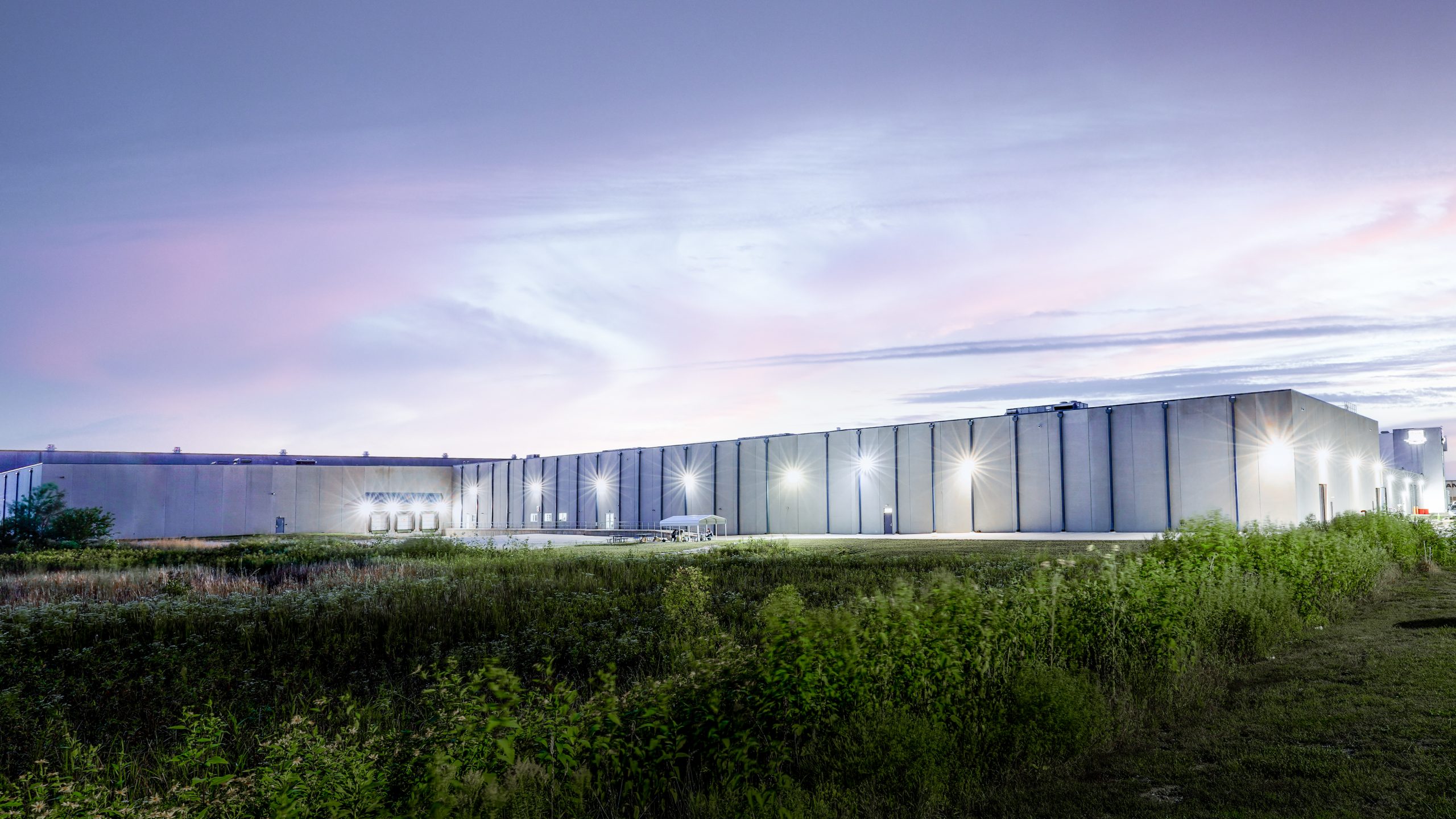
Boyd Jones was a key partner in helping Airlite Plastics select the location for its headquarters facility in Omaha, Nebraska. We shared our expertise to ensure the site would support the 1M+ SF facility and meet Airlite’s evolving needs over the coming years.
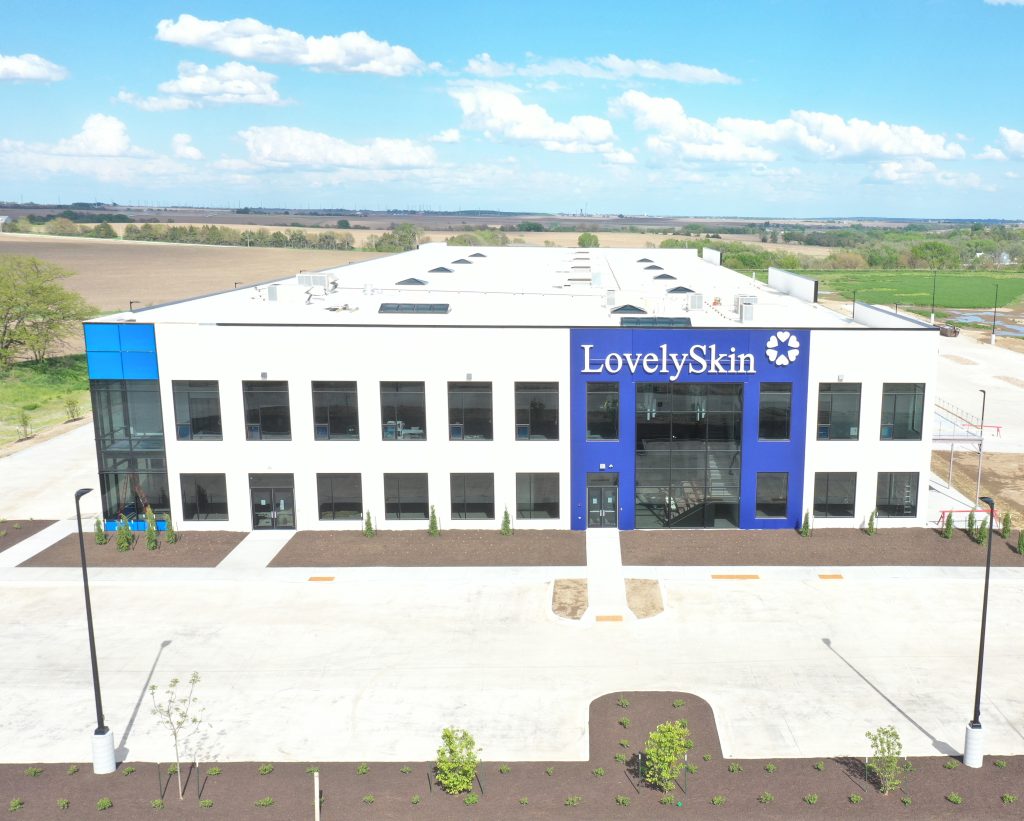
When LovelyGroup decided to relocate its headquarters and distribution center, we guided the evaluation of multiple site options. The client ultimately chose an expansive space in Gretna, Nebraska, which also offered a larger workforce pool and easy logistics access directly off the interstate.
Exploring Geotechnical Conditions
Geotechnical exploration is an important step in site selection, as it helps ensure the site conditions are suitable for construction and identifies potential challenges.
A geotechnical investigation will verify specific requirements and considerations, and an expert construction partner will help you understand and navigate any potential challenges with solutions so you can find the best space to build your project.
Analyzing Constructability and Site Constraints
Constructability and potential site constraints are critical factors to consider when choosing a location for your project.
The physical space can introduce technical complexities that affect site layout and project cost.
Site grading needs can impact project timelines, former structures that were demolished may have left behind utility connections or other elements, and flood plains bring important design considerations to minimize potential water impacts.
None of these factors means a site isn’t suitable for construction; they require an expert who knows how to navigate those challenges. A constructability analysis with a trusted partner can help you proactively prepare for potential site challenges.
Understanding Existing Soil Conditions
Soil conditions can also significantly impact the ability to build on a project site.
Specific soil types may require compaction to ensure a solid foundation for construction. Other land types may need modification to avoid flooding concerns and ensure proper drainage.
Moisture levels, drainage considerations, and soil stability all influence a site’s geotechnical soundness, so it’s important to consider how they may affect your project when selecting a site.
Navigating Geographic Requirements
Site location raises important considerations related to a project’s design and zone and code requirements.
Design Requirements
Site selection can also impact design requirements and materials considerations.
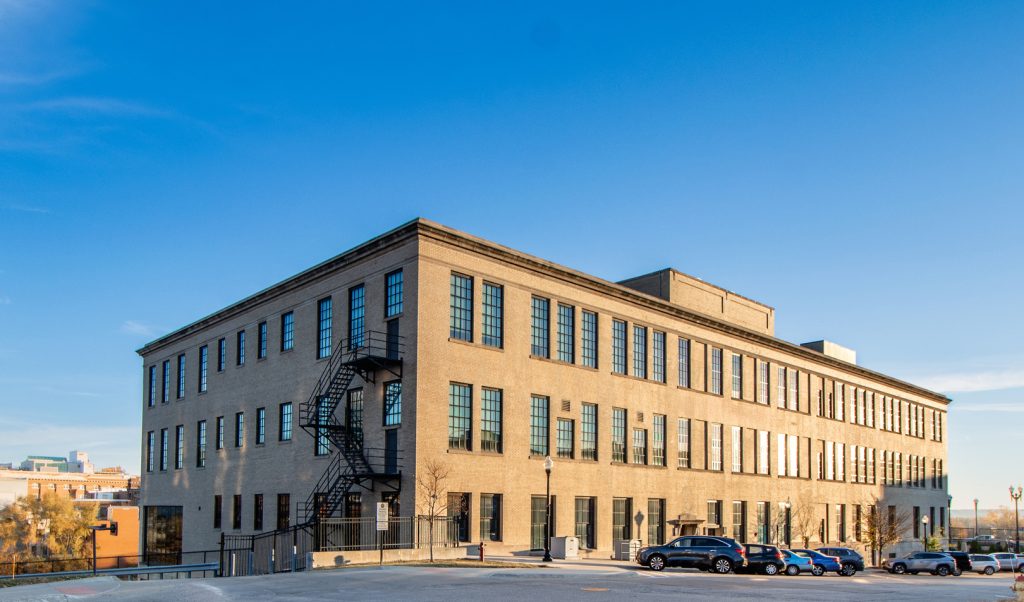
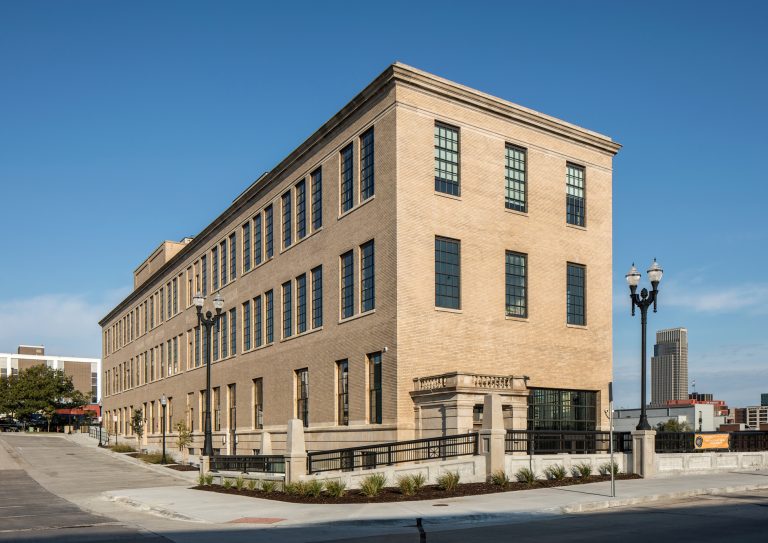
For example, renovating a historic structure, as Boyd Jones did in our own headquarters at the Rail & Commerce Building, requires adherence to specific building guidelines to ensure the space meets preservation requirements.
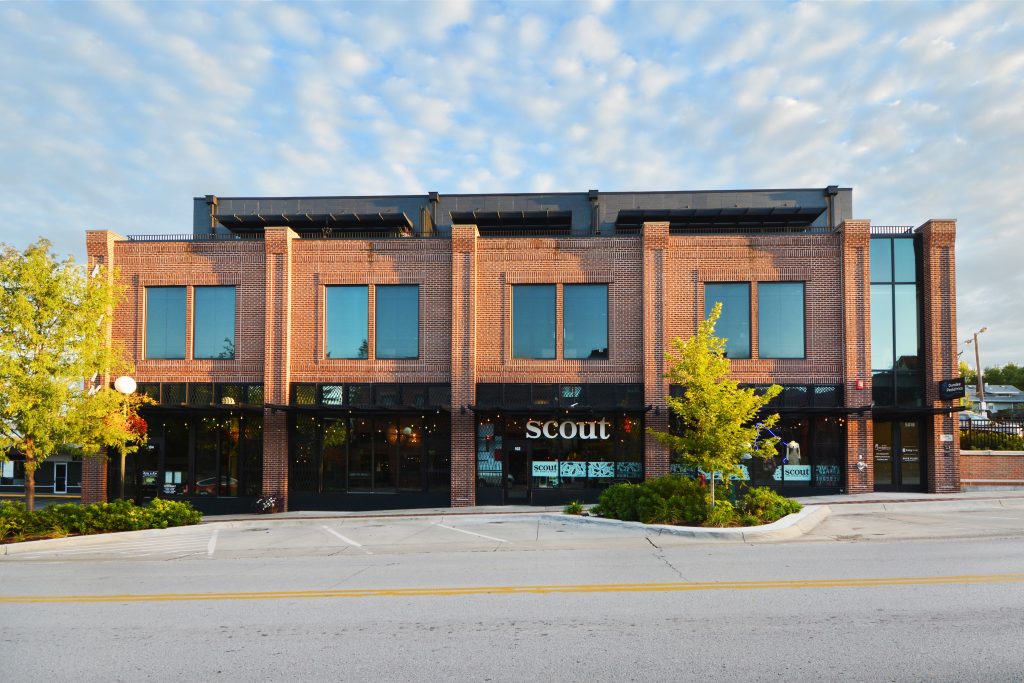
Even in new construction, owners may need to consider the materials and design of their building to match the surrounding environment. When the Skye Building was constructed in the historic Dundee neighborhood, the project team carefully delivered the space with a detailed brick exterior to match the storied surrounding buildings and ensure a cohesive character in the area.
Zoning and Code Requirements
Building in a metropolitan area like Omaha allows you to explore the unique character of different neighborhoods.
However, different jurisdictions also have unique zoning and building code requirements that can impact construction.
Cities, counties, and states each have their own requirements for approvals and permits, so it’s important to understand how they could affect your project’s development or timeline.
This can happen across commercial vs. residential zoning, building permits, fire codes, and many other areas, so it’s crucial to choose a partner who can help you navigate the intricacies of those requirements when navigating site selection for construction.
Aligning Site Selection with Owner Priorities
Balancing multiple priorities as an owner can add a layer of complexity to navigating the technical and logistical conditions of construction site selection.
For example, owners may need a site that’s easily accessible to clients, their own team, or the community. Supply chain access may significantly impact logistics for commercial, industrial, and mission-critical organizations. Workforce availability can also impact timelines, which may influence site selection for some owners.
We help owners expertly balance these considerations with their location preference to ensure the site meets distinct priorities that can impact your organizational functionality and success.
Select Your Project Site With Confidence
Choosing the best location for your project is an important decision, and many factors go into making a great choice.
However, it’s important to know about the potential challenges and considerations before diving into construction. It’s much easier to navigate potential challenges when you’ve anticipated them and are prepared with strategic solutions.
If you’re ready to explore locations for your project site but need a partner who can help you navigate the complexities, reach out to Boyd Jones, and let’s find the right place to build your story.