Key Considerations for Urban Construction Planning
Early, collaborative site logistics planning
Clear communication with stakeholders and neighbors
Strategic sequencing to reduce disruption and improve efficiency
Proactive material procurement and delivery coordination
Strong safety planning and traffic control measures
Every construction project requires detailed planning, but in tight urban environments, the margin for error disappears. Limited space, active surroundings, and constant public interaction demand a higher level of coordination, safety, and foresight.
Urban construction projects often introduce added complexity as teams navigate space constraints, maintain clear separation from nearby activities, and uphold safety in high-traffic areas.
However, with the right planning strategies from a trusted construction partner in place, teams can confidently keep projects moving while minimizing disruption to surrounding communities.
The Importance ofStrategic Planning in Urban Projects
Driving or walking past a project site in an urban area can bring about feelings of excitement or frustration. The difference comes down to planning.
Well-planned urban construction projects minimize disruption to nearby businesses, schools, and traffic. Underprepared projects, on the other hand, can create significant challenges for the public, leading to prolonged detours, safety concerns, and negative perceptions.
In tight urban settings, strategic planning plays a critical role in maintaining progress while protecting the surrounding community. As the world around the jobsite continues moving, thoughtful planning ensures both the project and the people around it remain safe and supported.
Collaborative Site Logistics Planning From Day One
Site logistics planning serves as the operational roadmap for the project team to expertly coordinate activities on confined sites, including entrances, exits, delivery zones, laydown areas, and workforce movement.
Early collaboration between the owner, design team, and construction manager is essential to align logistics with both project goals and community needs. This proactive approach helps reduce disruptions and improve efficiency from the outset during construction in tight spaces.
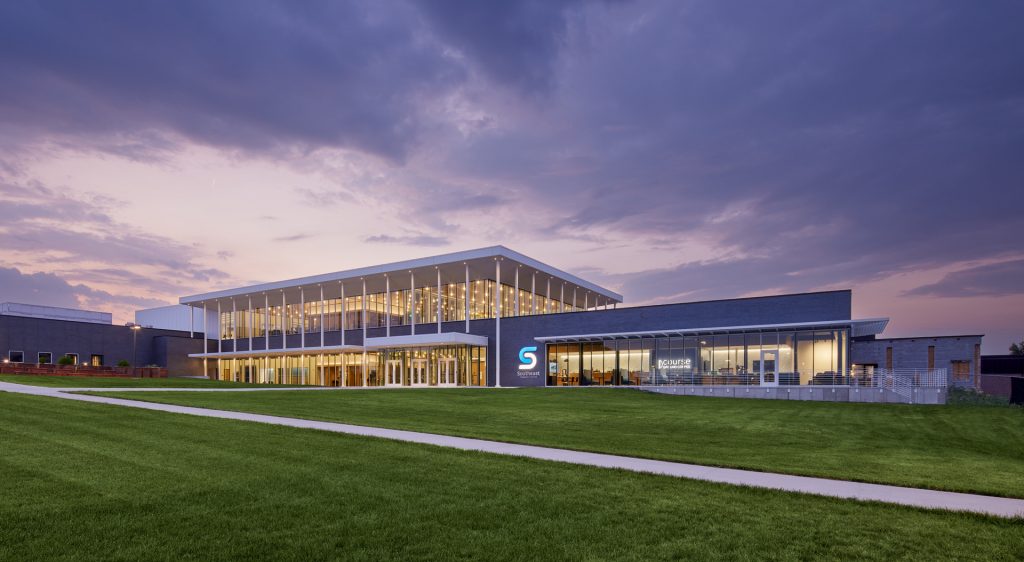
During the renovation and addition of Southeast Community College’s Student and Academic Support Center in Lincoln, Nebraska, close collaboration allowed the team to navigate complex staging requirements. Strategic logistics planning kept parking accessible, maintained safety separations, preserved critical campus operations, and minimized both pedestrian and vehicle disruptions.
Coordinating Construction in Active, High-Traffic Environments
Construction in urban environments requires careful coordination with stakeholders, City officials, and neighboring businesses to safely manage pedestrian and vehicle traffic.
Clear signage, fencing, and barriers establish well-defined boundaries between construction activity and the public, helping maintain safety and reduce confusion.
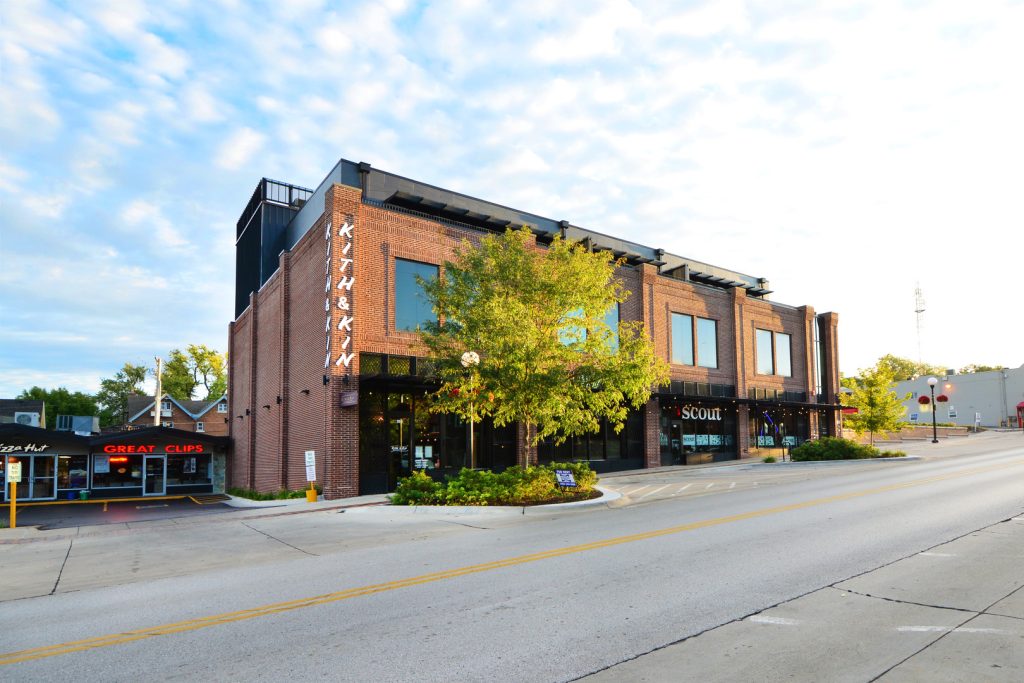
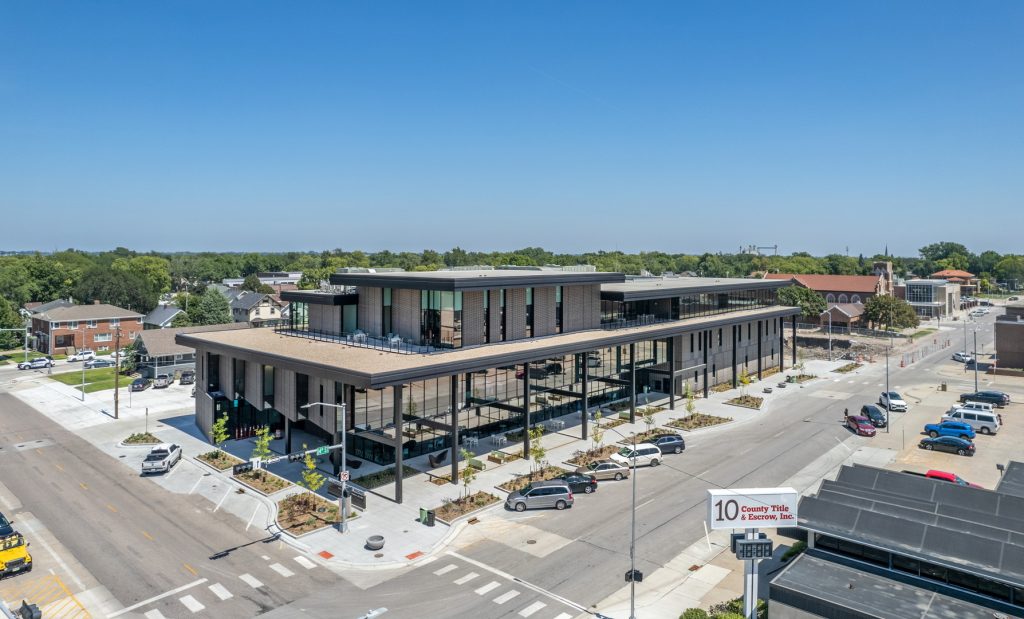
During the Skye Building project in Omaha’s busy Dundee neighborhood, proactive communication and coordination minimized disruptions along Underwood Avenue. Temporary easements and an alley closure were carefully managed, crews parked offsite, and deliveries were scheduled around peak traffic times.
This thoughtful approach supported local businesses and maintained a positive experience for the surrounding community.
Sequencing Work in Tight Spaces
A construction sequencing strategy is a powerful approach in urban construction planning, particularly where space is limited and multiple activities must be carefully coordinated.
A well-planned phasing approach allows teams to order work intentionally, reducing impacts on adjacent operations while improving efficiency, safety, and schedule control.
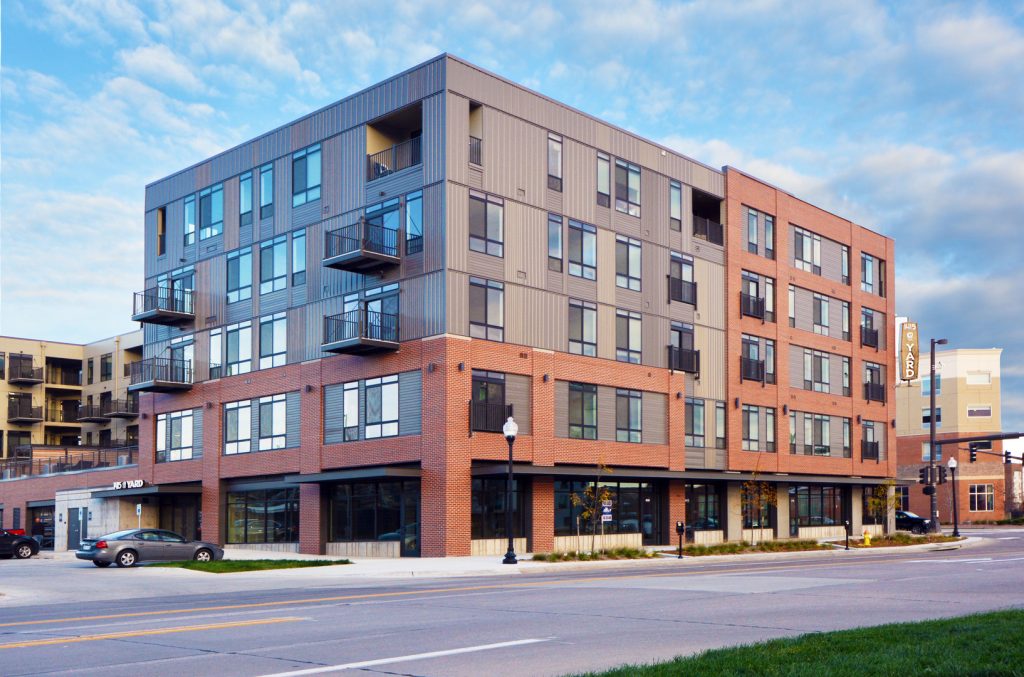
At 1415 @ The Yard in downtown Omaha, sequencing played a critical role as another contractor was simultaneously developing a neighboring portion of the same city block. By coordinating schedules, sharing resources, and maintaining open communication, both teams successfully advanced their work without conflict, demonstrating the value of strong partnerships and thoughtful planning through strategic sequencing.
Protecting Safety in Confined Jobsites
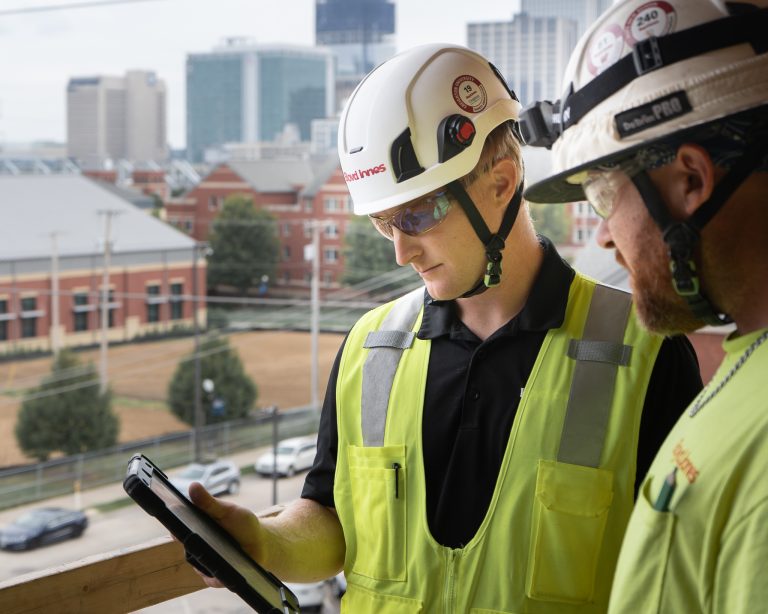
Urban jobsite safety requires heightened attention when construction is near active businesses, pedestrians, and infrastructure.
With limited space available, every aspect of the jobsite must be carefully organized to maintain clear separation between construction activities and the public.
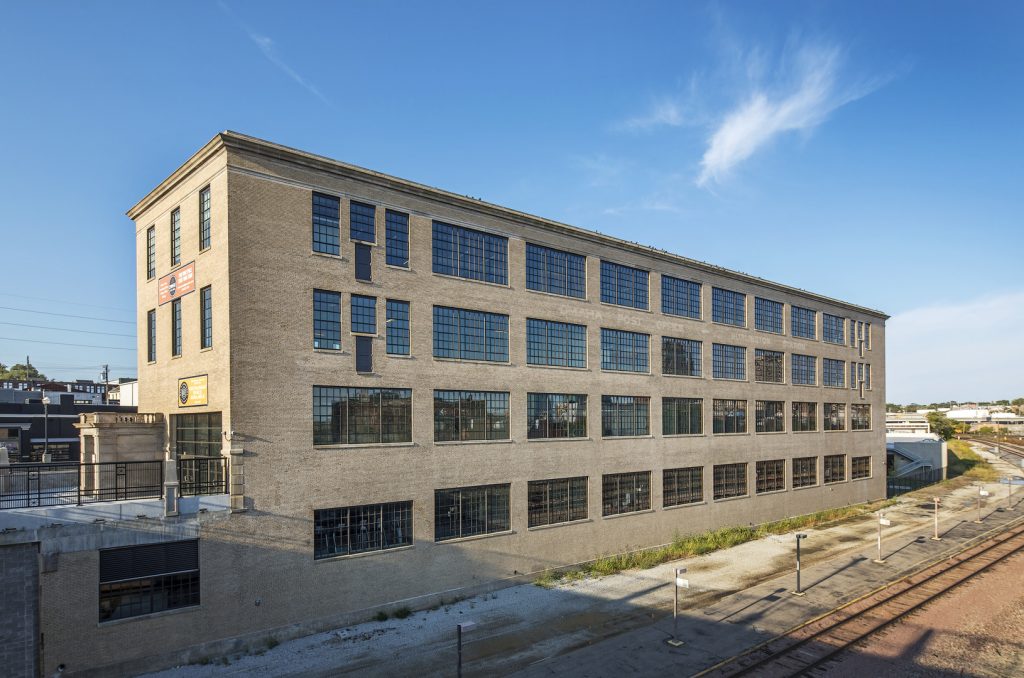
During the transformation of the historic Burlington Mail Terminal into the Rail & Commerce Building, additional safety measures were implemented due to the site’s proximity to pedestrian walkways and active rail lines. Extensive safety rail systems mitigated fall risks near floor-to-ceiling windows, while strict site controls ensured construction activities did not impact adjacent operations.
These urban jobsite safety precautions protected both workers and the surrounding community.
Managing Deliveries, Materials, and Timing
Timing is critical in downtown construction challenges. Efficient material procurement and delivery coordination can significantly influence both schedule and community impact.
Project teams must proactively identify potential supply chain risks and consider strategies such as early bid packages to secure materials and maintain momentum.
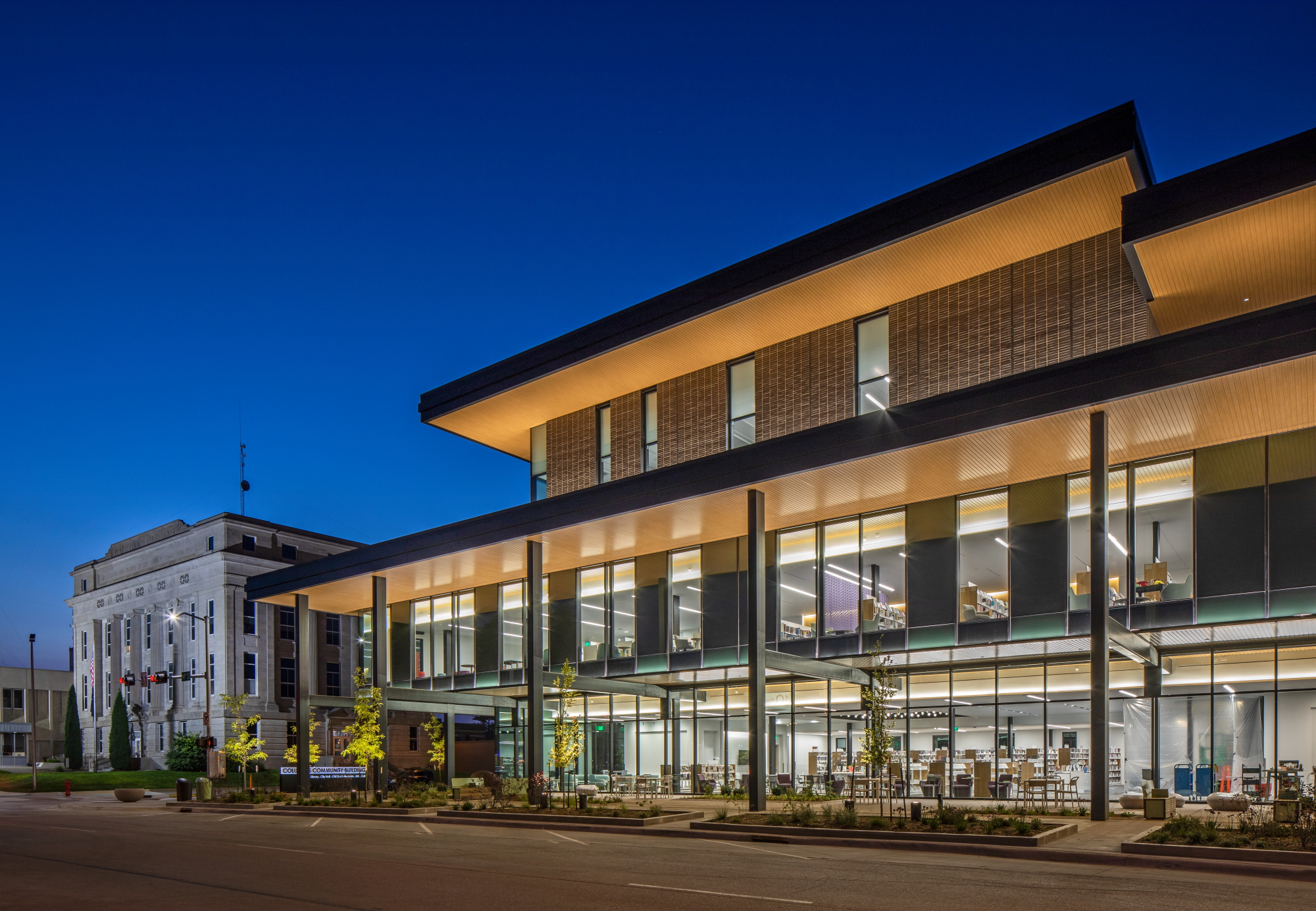
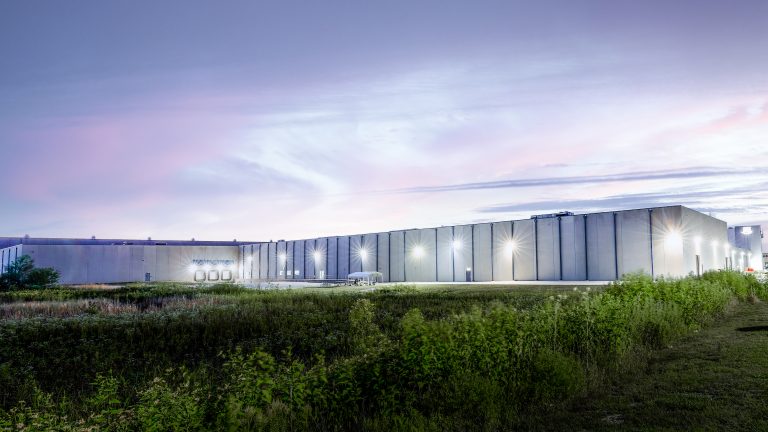
At the City of Columbus Community Building, early procurement strategies, including six early bid packages, helped mitigate market volatility and keep the project on schedule. Coordinating deliveries during off-peak hours further minimized disruptions to traffic and nearby businesses.
Thoughtful planning around materials and timing ensures steady progress while reducing strain on the surrounding environment.
Minimizing Disruption While Maintaining Progress
In urban construction projects, maintaining access and minimizing disruption is essential not only for the public but also for overall project efficiency.
Without clear logistics and defined work zones, construction activities can quickly become disruptive or even unsafe. Well-executed planning ensures that surrounding businesses, schools, and residents can continue their daily activities with minimal interruption.
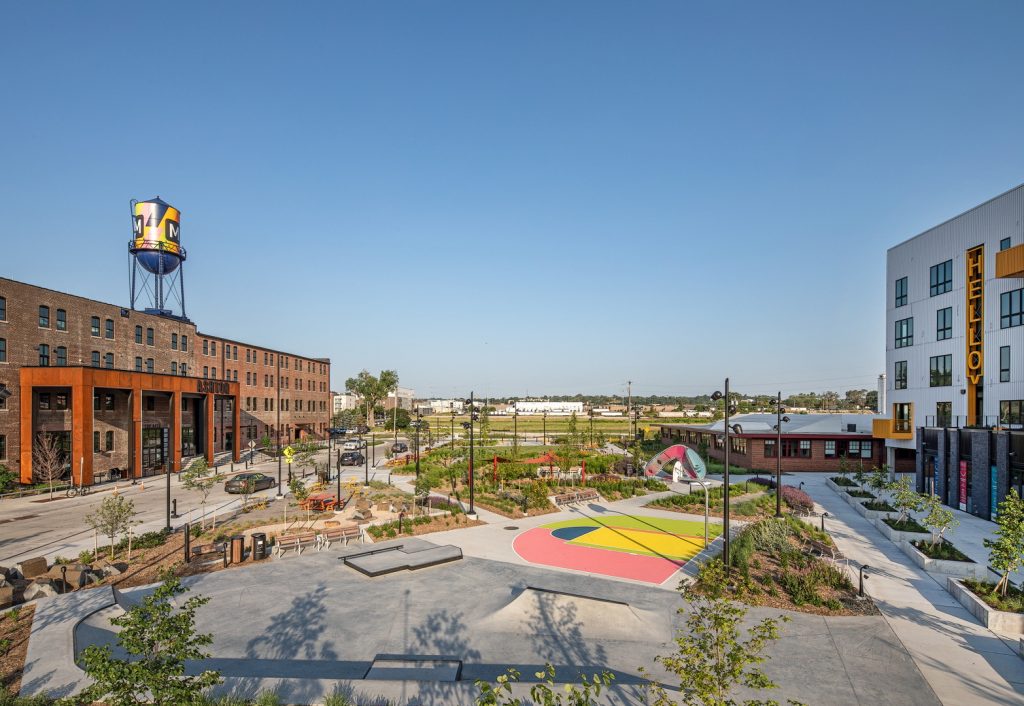
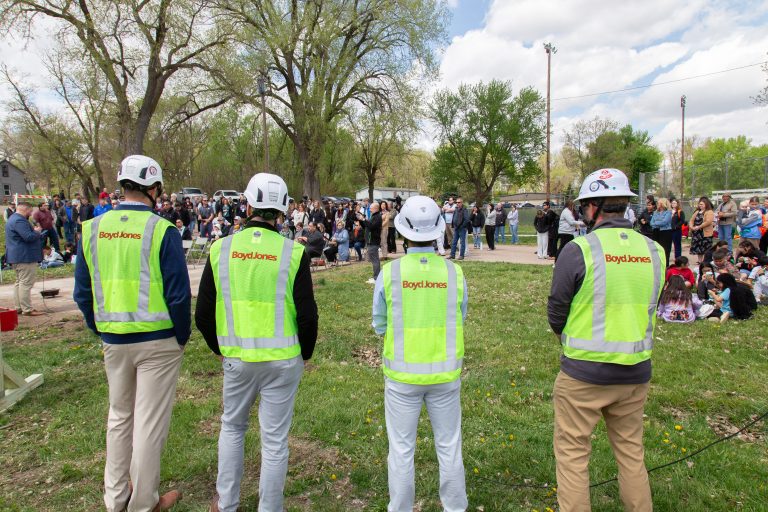
During the development of Millwork Commons Park in Omaha—located as a central hub in the Millwork Commons neighborhood—careful coordination allowed construction to progress alongside ongoing neighborhood redevelopment and active business operations. By prioritizing clear separation of the project site, communication, and stewardship, the project team delivered a central community space while minimizing disruption throughout the process.
Expertise in Urban Construction Planning & Delivery
Successfully delivering construction in tight urban environments requires more than technical expertise; it requires thoughtful planning, strong partnerships, and a commitment to the surrounding community.
From sequencing work and coordinating logistics to maintaining safety and minimizing disruption, the right partner brings clarity and confidence to complex urban construction projects.
Boyd Jones brings over a century of experience delivering projects across the Midwest, with a focus on safety, collaboration, and community impact. If you’re planning a project in a tight urban environment, having the right partner can make all the difference. We are excited to help strategize your project approach so you can begin construction with clarity and confidence. Let’s connect to discuss how we can bring your vision to life.