Building for the Future: How Faith-Based Facilities Can Plan with Purpose
When planning a faith-based project to support a growing community, organizations can find success through:
Building Rooted in Purpose & Mission
Planning for Growth Through Phasing
Aligning Vision, Budget, and Timeline Early
Safeguarding Community During Faith-Based Facility Expansions
Meeting Long-Term Parish Growth Needs
Finding the Right Faith-Based Construction Partner
Faith-based spaces are so much more than places to gather in worship. They are home to celebrations, life milestones, community, connection, and service.
Planning a faith-based project, whether a new space, a transformation of an existing building, or an expansion of your current facility, requires careful thought, reflection, and strategy to meet your growing parish’s current and long-term needs.
Whether you’re planning a church, school, gathering area, housing, or other project that houses multiple spaces in one, long-term planning ensures you are best positioned to continue serving your people into the future.
Building Rooted in Purpose & Mission
Faith-based organizations serve community needs, living their mission every day. Grounded in service, faith-based spaces are created, expanded, and updated to support the congregation.
As faith-based communities grow, so do facility needs. Parish size may outgrow the existing space, or an aging building may no longer meet modern use cases. This is when occupied renovation planning, new places to call home, and expansions of existing spaces come to life.
At every step, the purpose of these spaces remains constant: to support the organizational mission and serve the people who gather there.
It’s important to work with a project team that understands your organization’s mission, purpose, and needs to best support the people who call it home.
Planning for Growth Through Phasing
When planning how best to support your community through a faith-based facility expansion or transformation, phasing is a powerful tool that helps you remain flexible and adapt to evolving needs.
In an active space, this minimizes disruptions, as you can strategically focus on and complete specific project portions without shutting down the entire space. Phased construction is ideal for additions and renovations where your congregation will continue to gather throughout the project.
This strategic facility expansion planning also gives you the flexibility to expand in cadence with funding milestones. This means you don’t have to wait to evolve your space until all project funding is secured—you can focus on immediate needs for your space, and focus on additional phases at a later date.
Aligning Vision, Budget, and Timeline Early
Early alignment with the project team is vital to ensuring success for your faith-based construction project.
This includes close collaboration with key stakeholders, the architect, and your construction partner.
Through preconstruction planning, this team will create a clear path forward for your project, ensuring your current and long-term needs are met. They will critically evaluate how to deliver the space in line with your budget and timeline goals, strategically optimize the approach, and proactively address potential challenges.
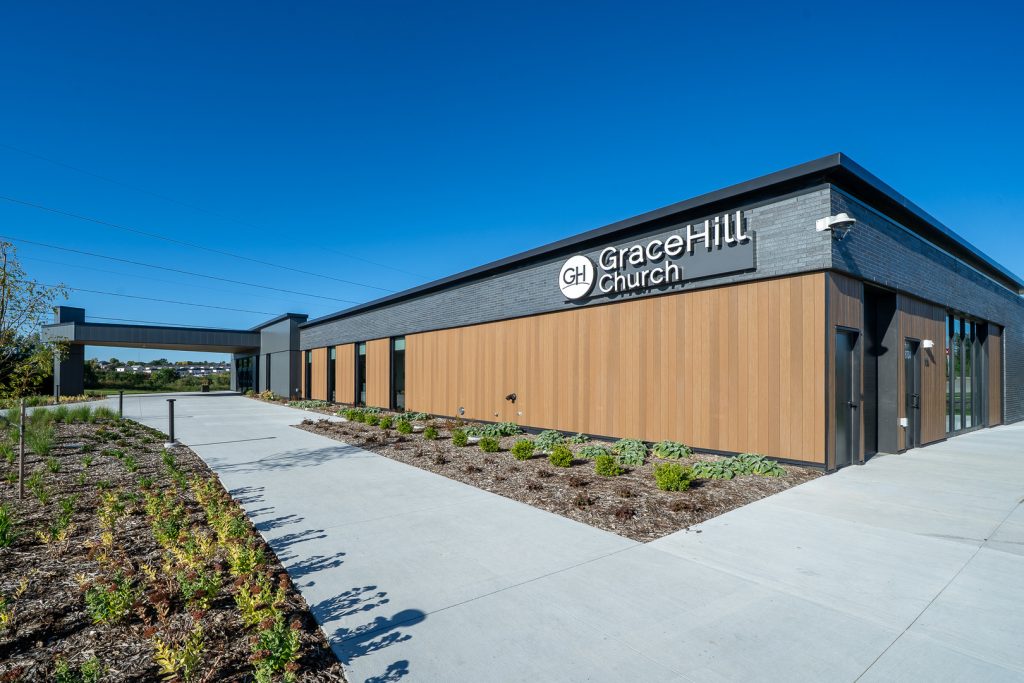
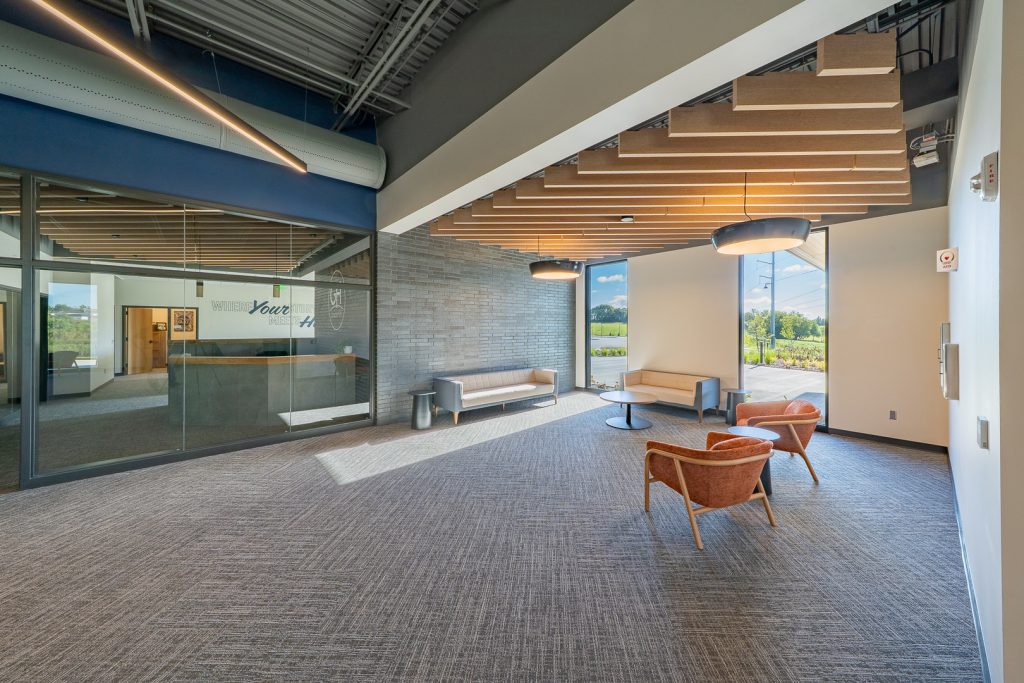
For example, when building a new 26,000 SF facility for the GraceHill congregation after the community gathered for a decade in temporary and rented facilities, Boyd Jones was able to begin construction before CDs were completed, thanks to close collaboration with the owner’s group and design team.
An aligned team with deep experience in delivering faith-based facilities also addresses potential challenges from all areas of expertise, from verifying constructability to preserving design intent.
Working with a team that has helped other organizations navigate funding milestones while building excitement can also prove pivotal to making your vision a reality. They can provide guidance and help expertly align project phasing with those funding milestones, if needed.
Getting the team on the same page before breaking ground not only ensures everyone is working toward the same goal of bringing your space to life; it also verifies that you’re on the same path to get there.
Safeguarding Community During Faith-Based Facility Expansions
Whether your project is transforming an existing space or you’re creating a new place to call home, it’s important to protect your community.
In an active facility, this means working with a partner who creates clear separation from active construction activities, ensures transparency to guide people away from closed-off areas, and coordinates logistics to minimize disturbances and isolate any high-risk activities when the building is not in use.
In any project, you also want to give your parishioners confidence and peace of mind. They want to know that the new or transformed space will continue to meet their needs and that they can still find that same sense of connection.
Transparency and clear communication about timelines, funding, and the project, as a whole, give your community confidence in the project vision, strengthening that sense of togetherness and building excitement for what’s to come.
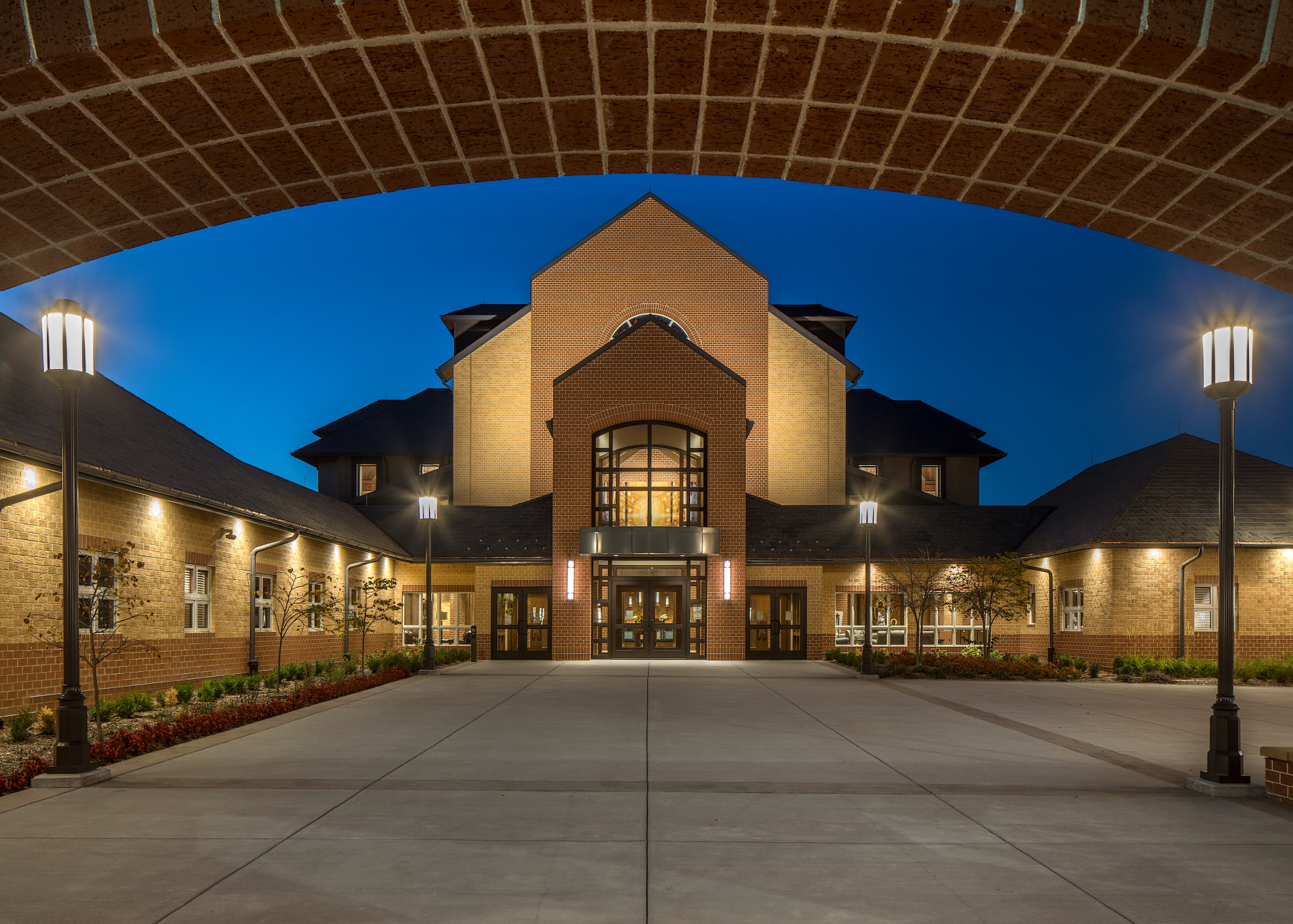
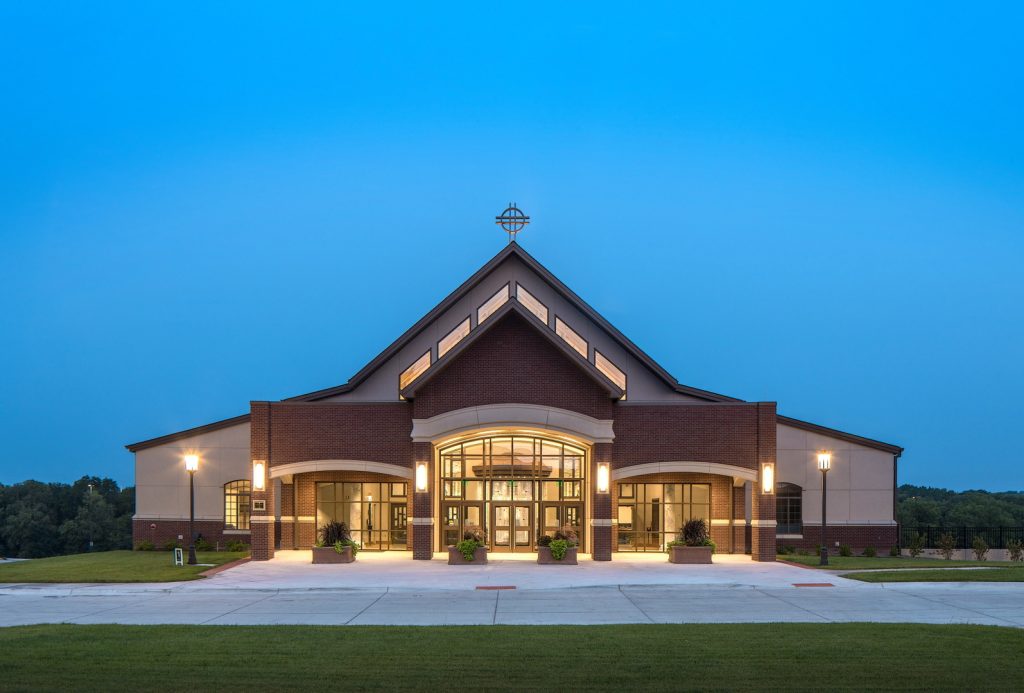
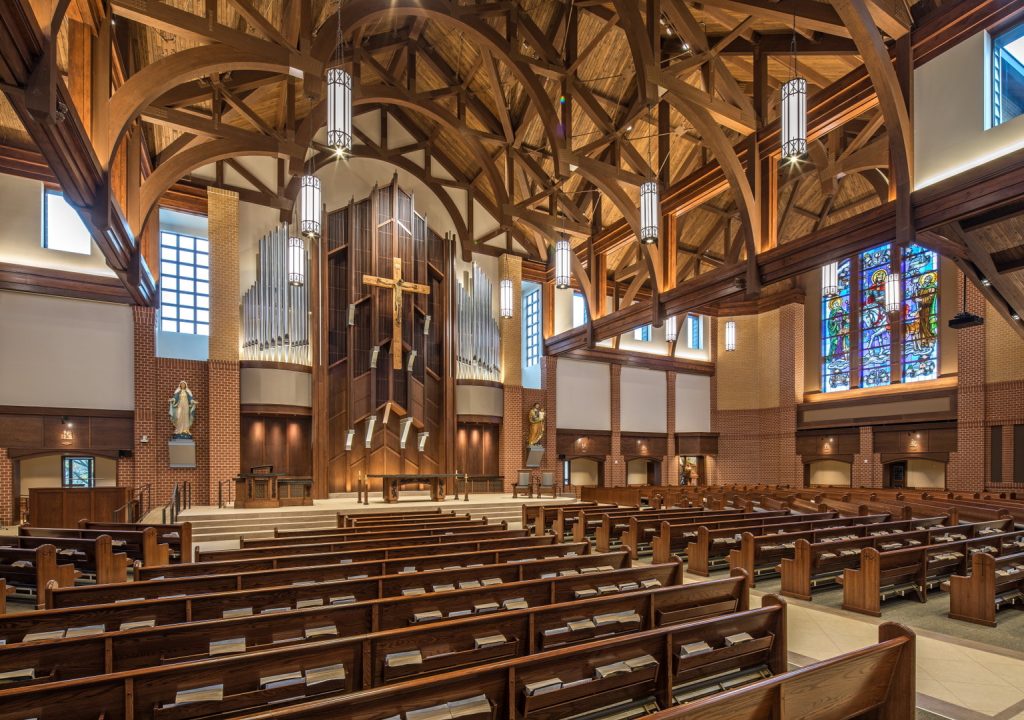
When building the two-story, 35,000 SF St. Matthew Catholic Parish—an 850-seat home that the congregation had dreamed of and planned for over 25 years—Boyd Jones maintained an open dialogue with church leadership and the congregation as they eagerly awaited their new space. Today, the St. Matthew parish gathers in the beautiful new space, featuring a nave, chapel, and fellowship hall adorned with stained glass and high wood ceilings.
Meeting Long-Term Parish Growth Needs
While organizations certainly want to solve current challenges, it’s also important to consider how decisions can both meet existing needs and plan for future growth and changes.
When working with your designer and construction contractor, consider:
Layouts that provide room to serve beyond your current congregation size, providing capacity to serve the continued growth
How flexible areas can meet needs as your community continues to grow
Ways the facility could be adapted for future expansions or updates
Needs that may not be imminent, but can still be planned for in the coming years
Even if you don’t tackle all this in your current project, long-term campus planning that builds in future considerations empowers you to best live your mission and act as a steward of your organization’s resources.
In our partnership with St. Wenceslaus Catholic Church, Boyd Jones worked closely with parish leadership to meet the congregation’s long-term needs. It is the largest project undertaken by a single parish within the Omaha Archdiocese. The 60,000 SF addition includes a new worship center, day chapel, and church office that will serve the congregation for generations to come.
Finding the Right Faith-Based Construction Partner
Whether you’re planning a new church construction project or are in the early stages of faith-based facility expansion planning, it’s important to work with a partner who is aligned with your mission, vision for your project, and your goals for how your space will serve those who use it.
Boyd Jones brings deep faith-based construction expertise, including longstanding partnerships that have delivered spaces rooted in service across the Midwest.
If you’re ready to take the next step in supporting your community, let’s discuss how we can bring your vision to life.