Senior living facilities are so much more than a place to live; they blend comfort, amenities, community, and easy access to care, providing residents with an engaging space where they and their families have peace of mind that their needs are fully supported.
These facilities require careful planning to support the needs of residents, staff, and families. Planning, specialized construction expertise, and strategic, long-term planning are critical to simultaneously meeting organizational needs and serving senior communities.
From independent living to skilled nursing and memory care, from community-centered dining to amenities that foster a sense of connection, owners want to create durable, people-focused communities that serve long-term resident needs.
Overview
Seniors and their caretakers increasingly want communities that go beyond basic housing needs. Across active, independent living apartments, assisted living, memory care, and higher acuity care, individuals and their families expect a blend of comfort, privacy, healthcare, and community services in one accessible facility.
Modern senior living facilities must balance:
For owners, this makes early collaboration with a senior living construction contractor in the Midwest especially valuable. Through early planning, teams work with you and the architect to ensure your goals for the space meet modern senior living needs.
Senior living communities must support resident, caregiver, and family daily needs. While the design team leads the planning of these environments, construction planning plays a critical role in ensuring the facility functions efficiently long after project completion.
Building systems, infrastructure, and circulation patterns must support both resident wellbeing and staff efficiency. Mechanical systems must maintain comfortable indoor environments, building materials must withstand constant use, and service areas must allow maintenance teams to access equipment without disrupting daily care.
Experienced construction teams help owners evaluate long-term operational considerations during project development, including integration of mechanical and ventilation systems that support healthy indoor environments, durable materials that withstand heavy daily use, functionality of infrastructure that allows flexibility as care models evolve, and service access that simplifies long-term maintenance.
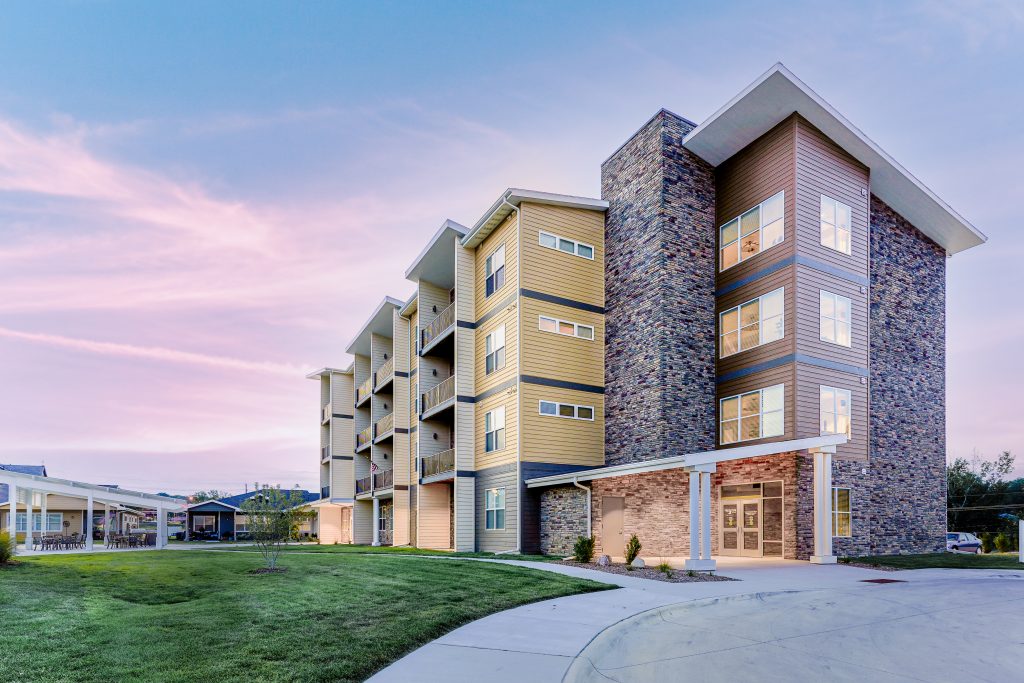
At Freedom Village, Boyd Jones collaborated closely with the designer and owner to ensure the independent senior living facilities were set up for long-term operational success, expertly delivering apartments and community amenities with a focus on quality.
Facilities that perform well operationally reduce long-term maintenance costs and create safe, comfortable environments for residents. Ensuring these operational needs are considered from day one helps owners protect the long-term success of their communities.
While operational performance is critical, the success of a senior living project also depends on disciplined project delivery. One of the most effective ways to protect the budget and schedule is through structured preconstruction planning, which begins long before your project breaks ground.
Construction managers help owners make informed decisions that protect both the budget and schedule, often through close collaboration with the designer, to ensure the space meets your vision.
Strategic preconstruction planning includes constructability reviews that identify potential conflicts early, detailed cost modeling and estimating throughout design development, schedule planning that evaluates potential challenges before they occur, and identification of long-lead equipment and materials.
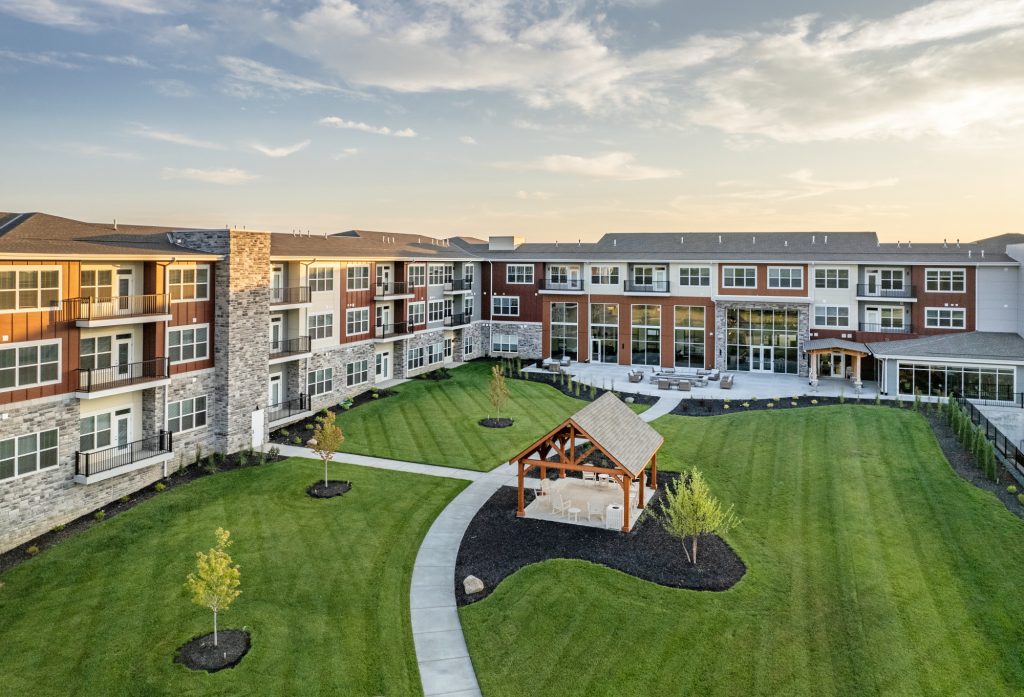
At Hillcrest Highlands, Boyd Jones shared our expertise and best practices to uphold the project timeline amid Midwest weather challenges, particularly in overcoming challenges like pouring the hollow-core topping slab during a cold December. Proactive schedule planning and close coordination with pre-cast and steel erectors and suppliers kept all parties engaged and aligned with milestone dates, allowing us to maintain progress and deliver a successful project.
Active value engineering in construction also drives effective budget management, focusing on selecting systems and materials that preserve design intent, deliver long-term performance, and meet functionality goals. An expert senior living construction partner will present options for the owner to evaluate, based on maintenance requirements, energy efficiency and operating costs, and replacement cycles for building systems and finishes.
This disciplined approach allows projects to maintain quality while managing cost expectations.
Many senior living projects involve expanding or modernizing existing facilities. These projects require careful coordination to maintain operations and protect resident comfort.
Effective occupied renovation planning includes phasing strategies that separate residents from active construction zones, noise and dust control measures, clear communication with staff and operators, and coordinated logistics that minimize disruptions.
When properly managed, these strategies allow communities to continue operating safely while improvements move forward.
Constructing senior living facilities in the Midwest brings unique regional challenges.
Regional knowledge also plays an important role in navigating approvals and regulatory requirements. For example, healthcare facility construction in Nebraska must comply with specific life-safety and occupancy standards that influence design coordination, inspections, and system installations. Accessibility codes, life-safety standards, and healthcare regulations influence everything from corridor widths to fire protection systems and nurse station placement.
Seasonal weather conditions can affect excavation, concrete work, and building enclosure schedules. Experienced contractors plan work sequences carefully to reduce exposure to winter conditions and protect critical path activities.
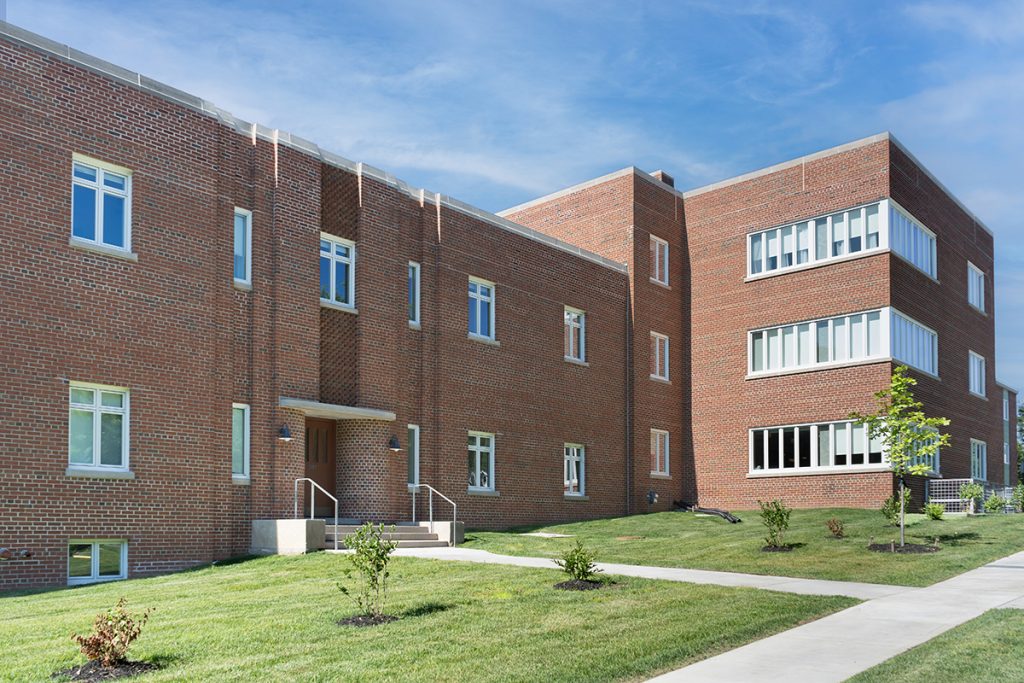
At Larimore Senior Residences, our expertise played a critical role in upholding Historic renovation requirements as we transformed a derelict building into 45 modern one- and two-bedroom senior living apartments.
A construction partner with strong regional experience helps owners navigate local complexities efficiently while minimizing delays.
At Boyd Jones, we bring more than a century of construction expertise to complex community and healthcare environments. As a trusted senior living construction contractor in the Midwest, we work closely with owners and design teams to guide projects from early planning through construction.
Through disciplined preconstruction planning, transparent cost management, and collaborative delivery, we help senior living providers build communities that perform for the long term.
If you are planning a senior living facility construction or assisted living construction project, let’s connect and move your vision forward with clarity and confidence.