An industrial facility expansion is a significant investment that can improve efficiency, production, or storage capacity and support your long-term growth. In the Midwest, expansion projects require careful planning. Regional weather conditions, operational continuity, and evolving construction markets can all impact your project’s budget and schedule.
Whether your organization is looking to add production lines, expand warehouse space, or modernize infrastructure, success begins with thoughtful, strategic planning and the right project team to help guide its success.
Industrial operations cannot afford extended downtime, and expansion projects must balance construction progress while maintaining daily operations. A well-planned strategy involving an experienced industrial facility contractor in Nebraska and Iowa, proactive preconstruction planning, and detailed construction scheduling helps organizations expand efficiently while empowering you to keep processes moving.
Every successful industrial facility expansion begins with a focus on both your organization’s current needs and long-term growth strategies. Facilities that only plan for immediate needs may quickly outgrow their space and face additional expansion needs sooner than expected—creating increased costs.
During early facility expansion planning, companies should evaluate several key factors to support their needs:
These considerations shape the scope of the expansion and guide design decisions. Early engagement with an experienced construction contractor can also bring valuable insight into cost expectations, scheduling challenges, and constructability considerations.
One of the most important phases of any industrial construction project is preconstruction, which establishes the foundation for successful project delivery by addressing potential risks before construction begins.
During preconstruction, the project team evaluates site conditions, building systems, permitting requirements, and budget. Industrial facilities often include complex mechanical, electrical, and process systems that must integrate seamlessly with existing infrastructure. Addressing these complexities early prevents costly changes after construction has started.
Preconstruction planning also allows teams to identify long-lead equipment or materials, coordinate building systems with operational needs, analyze cost options and value-management opportunities, and develop realistic construction schedules to maximize value in the project budget and timeline.
When expanding In-Mold Labeling (IML) facilities at Airlite Plastics, our project manager identified that the specified electrical switchgear included an application-driven shutoff that was unique to the project and not functionally necessary. By collaborating with the owner and designer to revise the specification to align with existing systems, the team reduced lead time and avoided significant schedule impacts.
With a strategic preconstruction approach, companies gain a clearer picture of how their project will progress and the resources needed to deliver it.
Selecting the right construction contractor is a critical decision for any industrial expansion. Industrial projects often involve specialized construction methods, strict safety requirements, and tight operational constraints. A contractor with experience in industrial construction can help navigate these challenges while maintaining on-site productivity and safety.
The right construction partner brings more than just building expertise; they should also offer strategic guidance throughout planning and construction. This includes collaboration with design teams during early project planning, strategic project scheduling and sequencing knowledge, and experience coordinating work within active facilities. Regional knowledge, spanning local weather challenges and local permitting and regulatory requirements, positions your project for success.
When contractors are involved early, they can provide valuable input on constructability and cost management, helping ensure that the final design aligns with both budget and operational goals.
One of the most complex aspects of an industrial facility addition is developing an effective construction scheduling strategy. Unlike many commercial projects, industrial facilities often remain fully operational during construction. This requires careful coordination between construction teams and facility managers to ensure continuity of daily activities and progression of your expanded space.
A detailed construction schedule identifies key milestones, delivery timelines, sequencing requirements, and accounts for equipment installation, utility tie-ins, and strategic shutdown windows when necessary to minimize impacts on industrial operations.
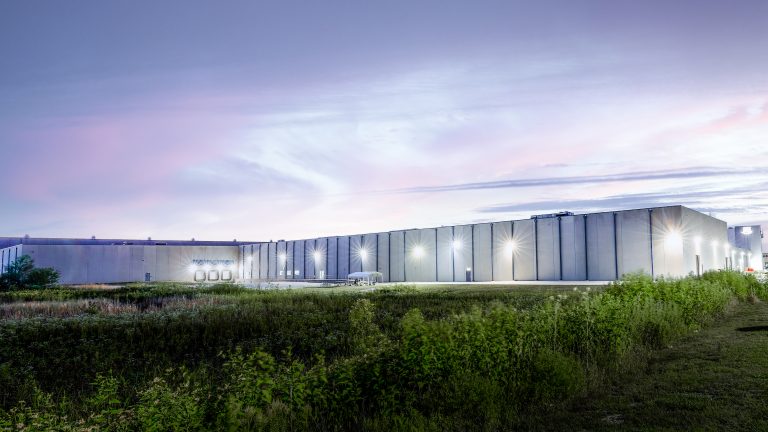
When partnering on two additions at Ford Storage and Logistics Headquarters to more than double the company’s existing footprint, we worked closely with the client to ensure the schedule met their functional needs and supported long-term growth.
Careful scheduling maintains project timelines despite operational constraints and reduces safety risks associated with overlapping activities. An experienced construction partner can help develop schedules that support both production continuity and construction efficiency.
Many industrial expansions benefit from a phased construction approach. Instead of completing the entire project at once, construction occurs in carefully planned phases that allow operations to continue while work progresses.
Construction phasing may involve building new spaces before modifying existing areas, relocating operations temporarily to new sections of the facility, and sequencing mechanical and electrical upgrades to minimize downtime.
Carefully coordinated phasing reduces disruption and allows companies to maintain productivity throughout the project.
Industrial projects involve significant equipment, materials, and workforce coordination, requiring effective site logistics planning to ensure that construction activities do not interfere with ongoing operations.
Logistics planning addresses construction crew site access, materials and equipment delivery and storage, and separation of construction activities from industrial facility operations.
In active industrial environments, safety is a top priority. Detailed site logistics help maintain clear boundaries between construction areas and operational zones. Proper planning also improves efficiency by reducing congestion and preventing delays.
One unique factor that is crucial to consider in the Midwest is seasonal weather. Harsh winters, heavy rainfall, and unexpected seasonal temperature fluctuations can significantly influence project timelines.
Understanding weather impacts on construction is essential when developing project schedules. Cold temperatures can affect concrete placement, steel installation, and exterior work. Snow and ice may also create access challenges for crews and deliveries.
Experienced contractors anticipate these conditions during scheduling and build contingency plans into the project timeline.
Strategies may include strategically completing site work before winter, prioritizing building enclosure early in the schedule, sequencing interior work during colder months, and carefully planning soil work around rainy months.
By proactively planning for potential, unexpected weather-related challenges, project teams can maintain progress even when challenging conditions arise.
Modern industrial facilities integrate technology and automation systems that require careful coordination during construction. Expansion projects may include advanced manufacturing equipment, robotics, or material handling systems that must be expertly integrated alongside existing systems.
During facility expansion planning, project teams must have the expertise to ensure that building infrastructure supports these technologies and effectively executes their integration. Electrical capacity, data systems, ventilation requirements, and equipment clearances all play a role in successful implementation.
Technical expertise and early collaboration between the owner, design team, and construction contractor ensure that essential systems are effectively integrated into facility expansions and operational from day one.
An industrial facility expansion should aim to solve ongoing operational challenges and position the organization for future growth. Long-term planning allows facilities to adapt as production demands evolve.
During expansion planning, companies should consider future challenges that current expansion planning can solve, utility infrastructure capacity for additional equipment, and flexible layouts that support potential operational shifts.
These forward-thinking strategies reduce the need for costly renovations later and allow facilities to scale efficiently over time.
Planning an industrial facility expansion in the Midwest requires thoughtful strategy and expertise that considers a range of potential challenges. From early preconstruction planning to detailed scheduling, every step plays a role in ensuring the project supports operational goals while minimizing disruption to ongoing activities.
By partnering with an experienced Industrial facility contractor in Nebraska and Iowa, implementing a phased construction approach, and prioritizing site logistics planning, organizations can successfully navigate the challenges of industrial construction. With a recognized, strategic approach, industrial facility expansions become a strategic investment in your organization’s future. Ready to expand your footprint? Partner with a recognized industrial facility construction expert to build your vision.